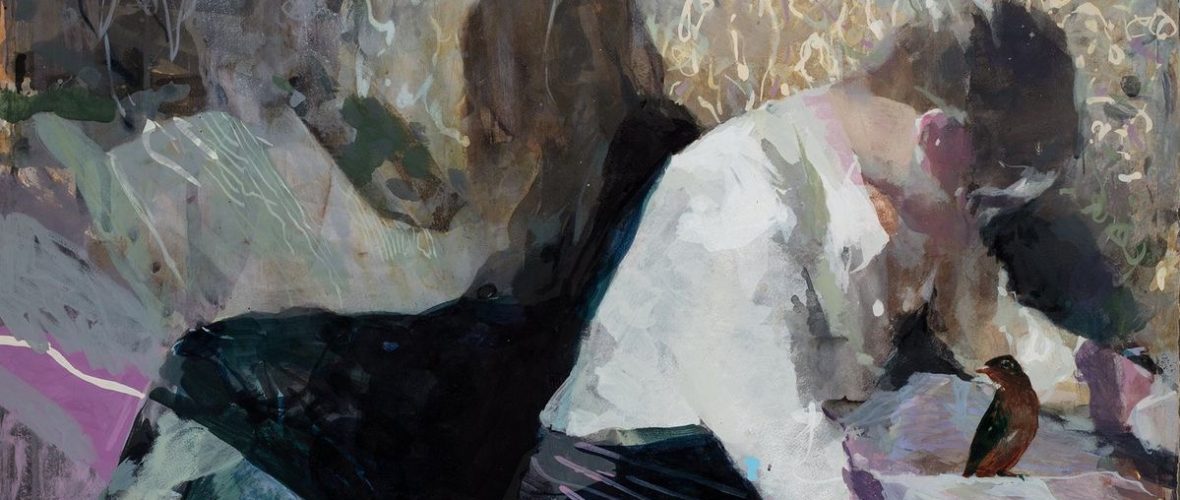
The law of impermanence- anicca.
Transience (Anicca) is the law of the universe.
Az élet folyamatos változásban van; a mulandóság törvénye szerint minden folyamatosan változik, semmi sem állandó. Ez a törvény arra tanít, hogy minden, ami keletkezik, az el is múlik.
Legyen az egy kapcsolódás, egy vágy, vagy akár egy érzelmi állapot.
Suffering comes from clinging to the ephemeral.
We are afraid to start again, and when we look back we don't see how many times we have started again.
We fear the passing of time, while we do not appreciate the present enough.
Pedig a mulandóság nem ellenségünk, éppen ellenkezőleg.
Az élet vigasza éppen ebben rejlik: minden változás magában hordozza egy új kezdet lehetőségét.
A fresh start is not a defeat, but a milestone that helps us to realise how much we have improved.
What does transience teach us?
Transience teaches silence.
It helps us to accept the simplicity of life and shows us not to be afraid to start again, because starting again is life.
Everything that passes away makes room for something new.
It hurts that with the passing of time, moments in our lives are lost and the feelings that once defined us slowly fade.
It hurts when we get stuck in a situation that deprives us of fulfillment.
Ez a kettősség, a múlandóság és az újrakezdés ígérete, gyakran félelemmel tölt el.
Because starting afresh is not only a freedom, but also a risk, confronting us with the pain of the past and the uncertainty of an unknown future.
We must recognise that we are the only ones who can influence these changes.
The first step is to accept that everything changes, and in that change there is always the possibility of a fresh start.
How can we get started?
Kezdjük azzal, hogy szeretettel fordulunk önmagunk felé, elfogadjuk a hibáinkat és gyengeségeinket, mert csak így tudunk igazán fejlődni.
Next, pay attention to our surroundings: be present to those around us and create harmony in our relationships.
Végül, de nem utolsósorban, alakítsunk ki egy mély hálát az életünk iránt, úgy, ahogy van, a nehézségekkel és a szépségekkel együtt.
Every small step, taken with love and acceptance, brings us closer to wholeness and inner freedom.
A fresh start is never about letting go of material things, but about leaving something you already know well.
Fear of the unknown is natural, but every new start gives room for growth.
When I decided to leave my ordinary life and travel, it was hard to face the fact that everyone else was staying.
I let go of the fear that those who stay here will forget me or love me less.
I let go of the fear of not having a secure income, I let go of the thought that I would not be successful enough.
I soon met new people and discovered a completely different way of life.
The new environment brought new opportunities: learning, growth and relationships that enriched my life and filled me with love.
Ma már nem félek a változástól, az öregedéstől vagy a mulandóságtól. Én tényleg hiszem, hogy minden újrakezdés lehetőséget hordoz magában, új energiát, új tanulságokat, új szeretetet.
Manapság minden az elengedésről – szól. Mainstream lett.
“Engedd el. Lépj tovább!”, mondják a “guruk”.
De ezek a szavak elég gyakran üresen hangzanak, valódi gyakorlat és megértés nélkül.
Hiszen ez nem megy egyről a kettőre, ez egy folyamat és ehhez a folyamathoz elköteleződés kell. Először is önmagam irányába.
I love myself and am good enough to find myself in the process of change.
According to Buddhism, one of the most valuable skills is letting go.
What we are able to let go of without attachment actually defines our inner freedom.
Letting go is not indifference or denial, but a deep understanding and acceptance that leads to inner peace.
We can truly let go when the love that is within us is pure and unconditional.
Letting go is not simply resignation or detachment, but an active, loving process of accepting the natural change of things without wanting to own or control them.
That love is pure and unconditional is indeed key.
It is this love that allows letting go to be seen not as a painful loss, but as a path to inner peace.
Amikor így szeretünk, az elengedés már nem az elválásról szól, hanem egy mélyebb kapcsolódásról, önmagunkkal, az élet áramlásával és a világ rendjével.
There is a love that transcends all - universal love.
This is a profound truth that is rooted not only in the teachings of Buddhism, but also in universal human experience.
Love does not expect anything in return, does not possess, and does not demand.
Pure love is when we give without expecting anything in return. This selflessness liberates not only the other person, but also us.
Ma a szeretetem nem várja el, hogy viszonozzák, és nem esik rosszul, ha az érdeklődés nem kölcsönös. A lélegzetem segít a jelenben maradni.
Amikor mély érzelmekkel találkozom, a légzésem nyugtat meg, és megtart a jelen pillanatában.
Tudom, hogy a szeretet sosem múlik el, csak átalakul.
Azt a szeretetet, amit nem viszonoznak, más formákban kapom vissza: egy őszinte beszélgetésben, egy kedves mosolyban, egy dalban, ami megérintette a lelkemet, egy jó könyvben, ami inspirál, vagy a csendben, amely teret alkot bennem.
Buddhism teaches that the practice of love is linked to compassion and non-attachment.
When we love, the goal is not to receive recognition or reciprocation, but to give purely and freely. This is true freedom.
The eternal law of love: to give and not to have.
A buddhizmusban a szeretet nem arról szól, hogy birtokolni akarunk valakit, vagy hogy elvárjuk, hogy szeressenek minket. A tiszta szeretet nem akar semmit. Nem birtokol, nem követel.
Csak létezik, megérint, majd tovább áramlik.
Az élet körforgását az abszolút szeretet határozza meg. Az adás és elengedés tanítása megtanít minket arra, hogy a szeretet, amelyet adunk, mindig visszatér, talán nem ugyanonnan, ahová küldtük, de más formában, más helyen.
My heart becomes heavy when I have to let go of someone I love deeply.
De tudom, hogy az útjaink nem vezetnek ugyanabba az irányba.
Megöleltem, letöröltem a könnyeit, és elfogadom, hogy a bennem lévő szeretet nem hozzá kapcsolódik tovább.
A few years ago I would have clung to the illusion that I could save someone, even if they didn't want it.
Today I know that I don't have to save anyone and I can't.
Az én gyakorlatom középpontjában már nem keresem az érzelmi csúcsokat vagy mélységeket. Nem kapaszkodom a boldogság pillanataiba, és nem hagyom, hogy a fájdalom magával sodorjon. Az élet hullámai között csendesen úszom, nem közömbösen, hanem belső békével.
Amikor visszatekintek, látom, hogy mennyit fejlődtem.
Egyre kevesebb dologhoz ragaszkodom, és egyre tisztábbá válik a szeretet bennem.
I am not afraid of letting go, nor of letting go of what I feel complete in myself now, in the present.
I'm not afraid to start again, and I draw the line at how long I can stay in a moment that is only an illusion.
Az idő múlik, és hálás vagyok érte, hálás vagyok, mert visszatekintve a nehéz pillanatokra, látom a piros zászlókat a mérföldköveken, amelyek tanítottak és vezettek.
Szeretem magam, és a tükörbe nézve hálával látom édesanyám gyönyörű arcának vonásait saját arcomon.
It reminds me that everything that was and everything that will be lives on in me.
Nem vagyok Buddha, és nem a megvilágosodás trónján ülök.
Én is ember vagyok, akinek az útja tele van tanulással, hibákkal és újrakezdésekkel.
My way is to move forward with you, to share experiences that might be useful for you.
We are afraid to start again because we feel we have wasted too much time.
But in the meantime, we let time pass as if it were not passing.
We are painfully attached to love, but pure love asks for nothing, it just exists and flows.
We are always living in the past and feel we don't have enough strength, even though we have always recovered from our weakest moments.
We fear that we will not be successful enough in the future, but we waste time with doubt instead of action.
This is the paradox of impermanence.
The path only opens up when we set out on it, whatever fears we may carry.
Love and acceptance do not come from outside, but are born within us.
Time passes, but every moment is an opportunity to start again - with ourselves, with our world and with our lives.
"Silence instead of sound.
But silence instead of what?"
(Tandori: Koan III.)
Hari OM TAT SAT
Reni